
Keeping your family comfortable
For reliable HVAC and electrical services in Midlothian, TX, look no further – we’re the right choice for your home comfort needs. Our experienced technicians provide prompt, professional service to keep your systems running smoothly.
BECOME A VIP MEMBER
Speedy Electric & A/C wants to keep your air conditioning units running smoothly and avoid major equipment failures. We offer HVAC maintenance agreements that will keep your home or office the perfect temperature year-round. With 4 different maintenance programs, we provide an umbrella of protection for your HVAC and electrical systems. We identify any potential problems and fix them before they become an issue saving you thousands.
Services
Our phones are monitored 24 hours a day for all of your electrical, heating, ventilation, and air conditioning (HVAC) needs. Extreme temperatures are tough on your heating or cooling system. When your AC or heater has broken down, you need help fast! If your system isn’t keeping your home or business comfortable, Speedy Electric & AC is here for you.
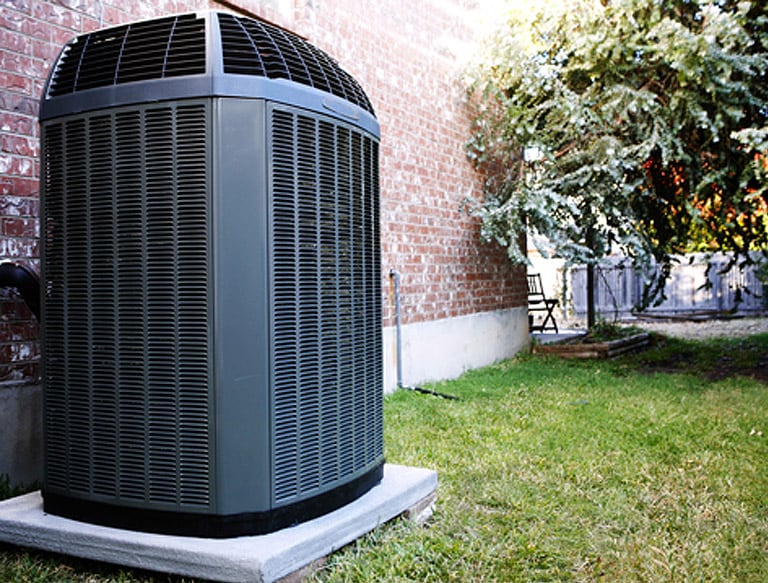
HVAC Repair & Installation
We provide high quality residential and commercial HVAC services delivered quickly, affordably, and with the expertise and experience you can trust.

Residential Electrician
We are your source for prompt, cost-effective electrical services, 24/7. From electrical service work to new construction, remodels and electrical wiring, we do it all, and we do it all extremely well.
About Speedy Electric & A/C
Speedy Electric & AC is a Midlothian AC repair, heating repair, and electrical services company. We pride ourself on being a one stop shop that is able to meet all of our client’s needs in the Dallas – Fort Worth metroplex. Our goal is to provide the highest quality design and installation services, on schedule, and on budget along with outstanding customer service. We understand that time and cost are crucial so we strive to go above and beyond our client’s expectations.
Keeping your family comfortable is one of the most essential parts of keeping them happy. Our team of dedicated Midlothian AC repair professionals are available at any time to provide air conditioning and heating inspections, cleanings, replacements, installations and a wide variety of repairs in Midlothian, Texas and the surrounding area to ensure that whatever your particular need, Speedy Electric & AC is ready to help.

Hear From Our Customers
We value our cuosmters and appreciate their honest feedback. Take a look and see why they think Speedy Electric & A/C is the best choice when they need help.

Rick and Dylandid an outstanding job. Rick went above and beyond everything that he could do to ensure that we had a spot on process. And Dylan finding out that the compressor exterior had an issue prior to leaving and replacing part was amazing nothing but the best for these guys I would recommend them to any person who needs anything with their AC. They’re awesome.
read moreread less


[Service, Technician, Timeliness, Cost] My experience with Speedy is always a positive one! Jordan was the technician today and he always does a great job. He is friendly, provides excellent service, and answers any questions or concerns I may have. From the office staff to the technicians, I have never had a bad experience. Keep up the great work Speedy!
read moreread less

As a rental owner, I have used Speedy on multiple occasions for multiple properties. I am always impressed with the speed in which they have been able to assist me and the quality of their work. From office personnel to the technicians, they have been top notch.
read moreread less

Speed in getting the appointment and sending the best technician, Ricki, to fix the issue quickly gets the best rating. Ricki was fabulous with his work. Speedy and Ricki will be our go to people for HVAC needs.
read moreread less

Our AC went out and thankfully Speedy was the vendor through our home warranty, and saved the day! Tony was outstanding—he arrived quickly, worked efficiently, and communicated everything clearly. What stood out most was his genuine care; he not only fixed the issue but also took the time to educate us on how to properly maintain our AC. We’re so grateful for his professionalism and the peace of mind he provided!
read moreread less

Speedy Electric provided an amazing service in our home. Not only did they do a good job. They were very warm and easy to talk to. Will not doubt to hire them in a future project.
read moreread less

We recently had our AC ducts replaced, and the experience was excellent from start to finish. The team was professional, on time, and took the time to explain what needed to be done and why. The installation was clean and efficient, and they made sure everything was working perfectly before leaving. Since the duct replacement, the airflow in our home is noticeably better, the temperature is more consistent, and the system runs much quieter. You can tell they take pride in their work and care about doing the job right. Fair pricing, great communication, and quality results. I would absolutely recommend them to anyone needing AC duct work.
read moreread less

Very happy with this company. Even though they were sent through my homeowners insurance, i was very pleased with who they sent. he was very nice and talked to me about a lot of things I had known to look for. Good experiance.
read moreread less

Meter base malfunction during freezing weather. Brian came out in the morning to diagnose and came back later in the day to replace and install new parts. I was back one the grid with heat before sundown. Exceptional service!
read moreread less
Contact Us Today
We offer prompt service to all of our customers. You can always count on Speedy Electric & A/C to get to you fast and get the job done right the first time. We use state-of-the-art diagnostic equipment to find the source of your heating and air conditioning problems and fix them fast.